Getting Started in Flowers and Deities
From the tutorial into a campaign that does not stall in the shop.
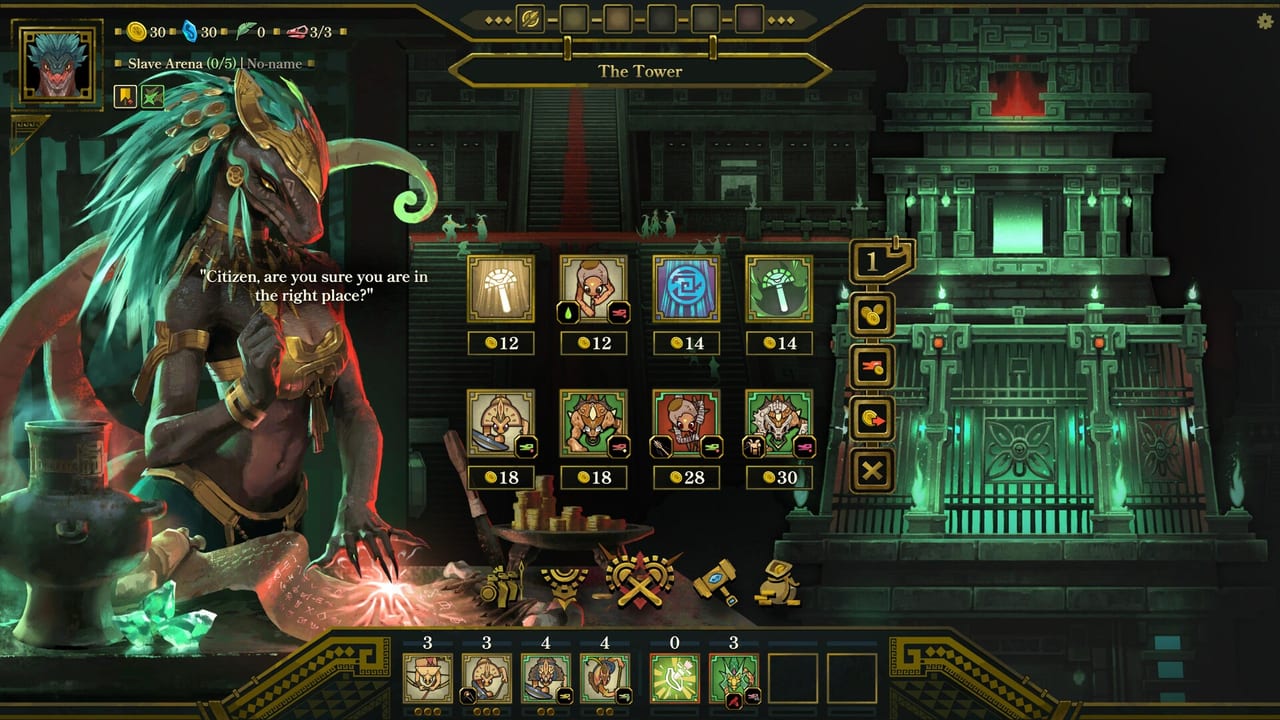
Flowers and Deities is easier to start than it looks and easier to stall than veterans admit. The first hour is not about memorizing 300 items. It is about leaving the tutorial with a readable army, a faith you can actually spend blood on, and a habit of forging before you hoard crystals. This page is the on-ramp. Combat math lives in How to Play. Blood edge cases live in How Blood Works.
The game is a paid single-player Steam release from Chill Winter Studio and IGA Studio. It launched on 14 August 2026 after a public playtest (12–19 June) and a richer Next Fest demo. If you still have a demo profile, do not expect it to open in 1.0. The launch patch disabled demo save compatibility on purpose.
Create a profile and pick a difficulty
New Profile is your difficulty lane. The demo showed a middle option nicknamed the Thorned Path. Treat that as the intended first full run: hard enough that bad formations lose, soft enough that one lost series does not delete the campaign. After a defeat, 1.0 slightly reduces enemy equipment budgets on lower and medium difficulties, so a clean retry is part of the design rather than a shame state.
Skip guidance only if you already know the city screens. The tutorial exists because the hub is a small town of verbs: Forge, Tower, army loadout, events, and the arena gate. Players who skip it often spend the first gold on a unit they cannot slot, then rage at the shop.
Lock an origin, then a faith
Before the first city event you choose a commander origin and a deity. Those two picks are the run. The demo showed four readable commanders: the Destitute Noblewoman (servants, slings, feathered support), the Young Warrior (balanced spears and shields), Iron Bulwark (heavy armor, encouragement), and the Tribal Survivor (crit, dodge, light armor, marsh raiders). Launch notes say all eight character archetypes and four faith paths are unlocked in the full release. We do not invent the missing names here. If a portrait is new to you, right-click it and read the starting roster before you click confirm.
Faiths in the demo included the Feathered Serpent Quetzalcoatl (healing and strengthening) and the Flayed Lord (bleed and wounds). Healing faiths forgive sloppy trades. Bleed faiths want items that move wound stacks and Bloodshades. Pair the faith with the origin instead of taking the prettiest idol. Details and later blessings sit on Origins and Faiths and the starter builds page.
First gold: forge, slots, then the Tower
The city gives you a pouch and a temptation to recruit immediately. Resist it. Open the Forge first. You usually receive a bundle of early items rather than a single exclusive pick. Equip the piece that matches the origin: light armor on dodge tribes, spears on reach lines, a spell dagger if your faith is doing the work.
Units do not all have the same slots. A raider may lack armor until you pay for Physical Training. That gold is often the highest-value click in the first twenty minutes because it turns a leftover robe into a real stat stick. You can also buy a second weapon slot, but do that after the frontline can wear what you already forged.
Only then visit the Tower. Early offers include cheap axemen, extra spells, and rituals that look cooler than they play. If a recruit costs more Favor than you generate in round one, it is a trophy, not a plan. How to Recruit Units explains Reputation gates and Slave Hunting so you do not spend the whole campaign waiting on a legendary that the shop cannot roll yet.
First fights and the two-of-three rule
The arena gate shows matchup text: trivial, evenly matched, against the odds, plus loot tags such as light armor or Flayed Lord relics. Take the fight whose loot matches the origin even if the challenge is a step higher. A rare spear on a spear line is worth more than a safe common bow you will never equip.
Inside the arena you click units in the order they should appear, spend Favor up to the cap, then let columns collide. You still act: spells, summons, and blood spends happen during the battle. Losing one round is not a run killer. Series are best of three. Use the loss to see whether your backline walked into melee or your summon landed on the wrong tile. Positioning and Summons is the follow-up if beetles and rangers keep charging the front instead of the mages.
What 1.0 adds that the demo hid
The released campaign is a 6×5 grid with hidden arenas after the credits fight. Shop and Forge were rebuilt. Legendary units can eat Feather Ornaments. Slave Hunting lets you capture enemies after certain battles. Achievements and a thicker Statistics Tablet exist. Ranged units recruit in smaller packs but attack a second slower. If your demo muscle memory is “stack cheap archers,” re-read the launch notes before you copy an old roster.
Controls worth learning on day one: right-click any unit for the encyclopedia, use the combat speed buttons if a three-hour run is wearing you down, and raise UI scale if the item pages feel like a legal document. Controls lists the rest, including Low-End Mode for the rainy Underworld map.
When the first promotion fires and the shop level ticks up, you are out of the tutorial even if the game never says so. From there, keep How to Beat the Campaign and the campaign tracker nearby so the mid-game does not turn into three pages of unsold sickles.
Frequently Asked Questions
Quick answers drawn from the current Steam build.
Can I continue a Flowers and Deities demo save in the full game?
No. The 14 August 2026 launch patch disabled demo save compatibility. Start a new profile on 1.0.
What difficulty should I pick first?
Use the middle lane, the Thorned Path in the demo naming, unless you already cleared a campaign. Lower difficulties now soften enemy gear after a loss.
Should I recruit or forge with the opening gold?
Forge and unlock a missing armor or weapon slot first. A Tower unit you cannot equip is a Favor tax.
Where do I learn the four origins in detail?
Open Origins and Faiths, then the starter builds page. This guide only names the demo commanders we can verify.