Magic Items in Flowers and Deities
Wear the origin. Sell the museum.
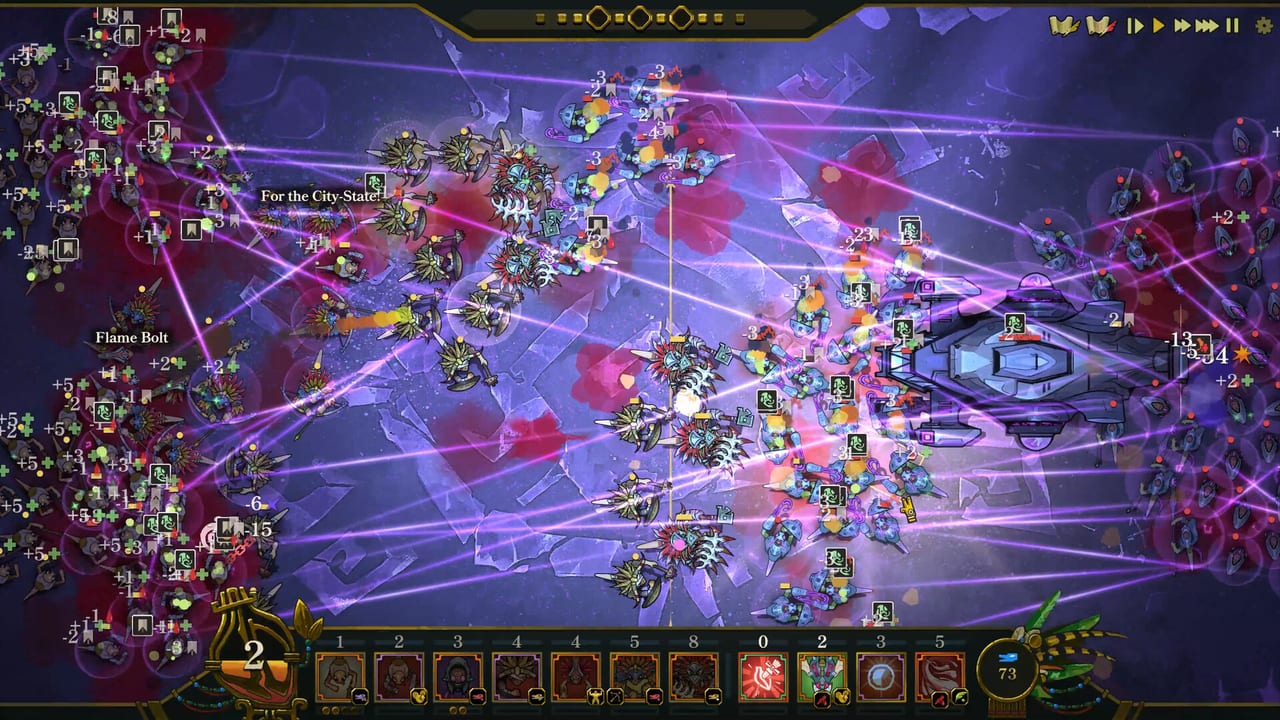
Magic items are the reason a Flowers and Deities campaign feels like a deckbuilder even when the arena is an autobattler. Each unit has a small set of slots. Each slot can be missing until you pay gold. Each item can be limited to a class: spearman only, raider only, melee only. The shop does not care that you already own fourteen bows.
This page is the inventory class. Quality upgrades live on Forge and Enchantments.
Slots before rarity
A common deerskin on a blade wielder who can wear it beats a heroic greatsword on a unit with no weapon slot. The first gold in a run should unlock the slot the origin actually uses: armor on dodge tribes, a second weapon only after the first one is filled, a spell slot if the faith is doing the killing.
Right-click the item. Limits matter. The demo’s Obsidian pole sickle wanted a spearman. A tombstone shield wanted someone who could hold a shield. A jaguar hide wanted a body that already understood dodge. Putting a limited item on the wrong stack is how you convince yourself the loot system is broken.
Spells can wear gear too. Daggers and statues that boost skill damage or duration belong on the rain heal or the dodge aura, not on a clubber who will never cast.
Loot tags are a language
Nodes advertise light armor, heavy armor, spear, bow, hammer and club, sword and dagger, Flayed relics, Feathered Serpent loot. Click the tag that pays the origin even when the challenge is higher. A rare spear on a spear line is a build. A safe common bow on a castle is clutter.
Harvest-style events that give both sides starting Favor are not items, but they change which items matter: cheap stacks get better when the cap is fat.
Modifier families
Evasion and crit. Light armor, footwork, unused-capacity dodge statues. Survivor food.
Armor and morale. Heavy pieces, encouragement, full-morale conditions (later rewritten to “above 90%” in a demo pass). Bulwark food.
Poison, burn, wounds. Caps and ticks moved all year. 1.0 raised poison’s max stacks to 8. These are faith-sensitive.
Blood and shades. On-death shades, wound transfers, Favor gather on hit. Read How Blood Works before you stack three of them on a laptop that hates the Underworld.
Global pulses. Scorching sunlight, timed burns, random heals. They look small and then win a series.
We will not reprint every 0.8.1 number. Those patches moved bow power, sling stun, poison amulets, and magic-damage modifier cost. Your encyclopedia is newer than that paragraph.
Selling is a skill
Playtesters asked for a toggle to hide equipped items. If your build has it, use it. If not, sell:
- Duplicate commons after a promotion.
- Limited items for a class you retired.
- A “cool” heavy when the origin is light, unless a captured unit can wear it this visit.
Keep:
- One spare ornament for a capture you expect.
- The spell dagger that makes the faith legal.
- Anything that adds a slot-like effect (extra armor behavior) if you are still unlocking slots.
Artifacts unlocked at launch. Treat an artifact like a blessing: it should finish the job, not start a second one. If you cannot say which starter build it belongs to, it is a museum piece.
When the inventory costs more time than the arena, you are failing the mid-game boss described in How to Beat the Campaign. Close the bag. Fight the next node.
Frequently Asked Questions
Quick answers drawn from the current Steam build.
Why can’t I equip this rare item?
The unit may lack the slot, or the item is class-limited. Unlock the slot at the loadout or give the piece to a legal wearer.
Can spells wear items?
Yes. Some daggers and statues modify skills and spells. Put those on the cast you actually click.
Should I take every loot draft?
Take the piece that pays the origin. Extra rares that do not match a slot are future sell value, not a moral victory.
Where do I learn quality upgrades?
On the Forge and Enchantments page. This page stops at slots, tags, and selling.