How to Beat the Flowers and Deities Campaign
Thirty nodes, then the hidden arenas, then the fight people call the boss.
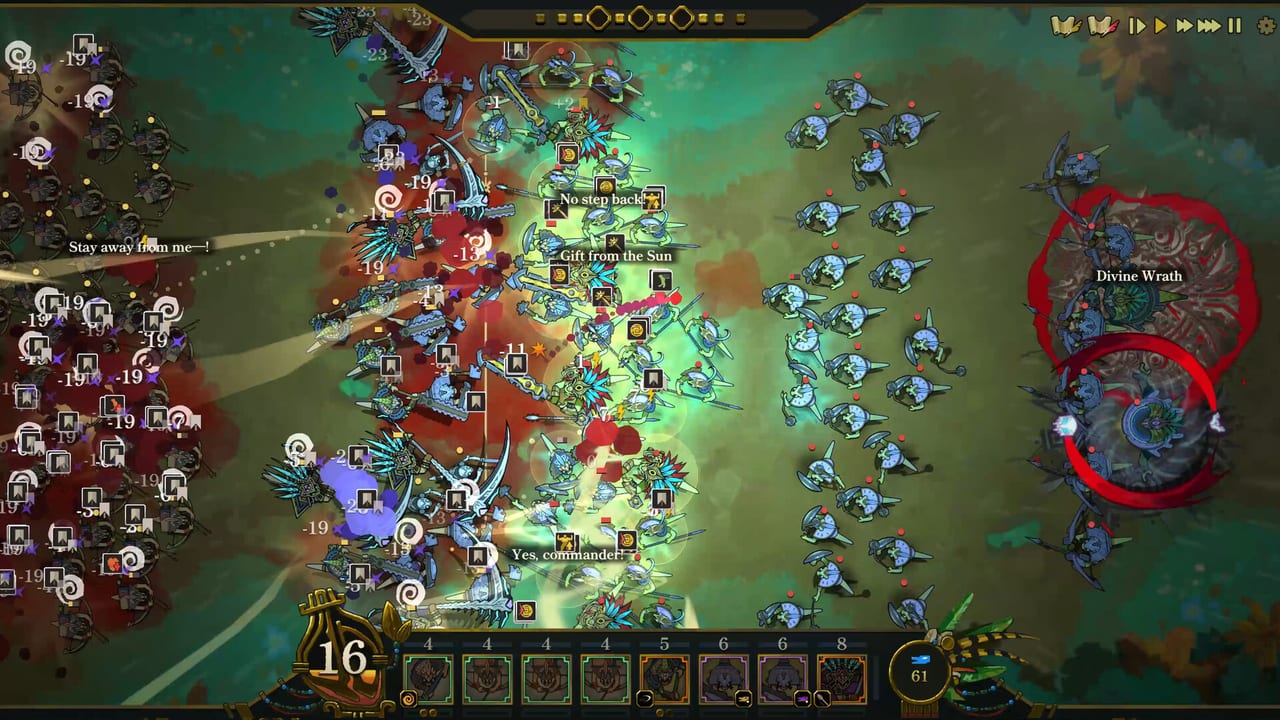
A Flowers and Deities campaign is long for a roguelite. Steam players clocked three to four hours on a learning run, with a first clear sitting near five hours if you refuse the speed buttons. That length is the design, not a bug you can patch with a single “best unit.” You beat the campaign by surviving the shop, not by winning the first jaguar fight.
This walkthrough assumes you already know How to Play and can recruit without drowning Favor. If you do not, stop here and finish those pages.
The 6×5 grid
Launch notes describe the main campaign as a 6×5 stage structure. Think six columns of five fights, city events between them, and a promotion cadence that roughly tracks a handful of wins. After you complete the grid, hidden Arenas open and you face phantoms of past champions. Those are the post-credits toys, not a replacement for learning node one.
Each node advertises challenge and loot. Early columns should feed your origin: light armor for dodge tribes, spears for reach lines, Flayed relics for wound faiths. Mid columns start offering “against the odds” tags with rare loot. Take those when your line already has a job, not when you are still unlocking the first armor slot.
Defeat is softer than the demo’s reputation. Enemy equipment budgets dip after a loss on lower and medium difficulties. Use that. A reset-happy player will never see column five. A stubborn player who adjusts deploy order will.
Mid-game stall: the real boss
Community threads from the playtest already named the mid-game: too much gold with nowhere useful to go, three pages of magic items, shop odds that refuse to upgrade. 1.0 improved Shop and Forge and increased Reputation Favors, but the feeling can return if you refuse to sell.
Rules that keep a run moving:
- Sell slings and duplicate commons to fund one heroic that matches the line.
- Unlock slots on the units you actually deploy, not on a reserve trophy.
- Spend crystals on a shop level you have already earned, not on a reroll addiction the night before a promotion.
- When the inventory is unreadable, hide equipped pieces if the UI offers it, or sort by the slot you still lack.
The Forge page is the mechanical version of this sermon. The run planner is the pre-run version.
Magic damage and the last fight
A June discussion asked whether magic is too strong after recruiting thunder priests for the last boss. Lightning in the 40s deleted the bulk of an army and the boss did not last. That is a real pattern: physical armor does not automatically save you from a caste that never swings a club.
Prepare before the final column:
- Keep at least one disrupt, stun, or sacrificial swarm that can touch the back rank. Positioning and Summons is the how.
- Do not strip your only magic resist ornament to chase a prettier sword.
- If the preview shows priests, spend Favor on the unit that can reach them, not on a third frontliner who will admire the fireworks.
- Blood rituals that spawn behind the enemy are worth more here than another heal on a full-health wall.
Slave Hunting can hand you the priests instead. That is legal. It is also how you become the person writing the “magic is broken” thread. If you want a fairer last fight, recruit them as a tool, not as the entire identity, unless you are specifically practicing that starter build.
Hidden arenas and legendary toys
After the campaign, hidden arenas and champion phantoms are the new sandbox. Feather Ornaments let legendary units eat feathers for stats. That is a late sink for the resources you were drowning in at hour two. Do not hoard every feather waiting for a mythical name you have not captured yet. Feed the legendary you already trust.
Custom Battle existed in the Next Fest demo as a lab. Use it between campaigns to test a captured unit without burning a three-hour profile. It is not a second story mode.
Pacing a three-hour run
Use combat speed after the first volley of a solved matchup. Pause for food; the game will wait. Turn on Low-End Mode before the Underworld column if rain and buff glitter tank the frame rate. Patch 8.15 exists because that map was a performance complaint.
If you are still learning, aim to finish the grid once on Thorned Path with a single origin you understand. Then replay with the opposite faith so the Origins Tier List notes make sense. The review is honest about who will enjoy this length and who will bounce.
Keep the campaign tracker open if ticking boxes keeps you from wandering the item pages for twenty minutes. The gods do not grade your inventory aesthetic. They grade whether the next column still has a wall.
Frequently Asked Questions
Quick answers drawn from the current Steam build.
How long is a Flowers and Deities campaign?
A learning run can take three to five hours. Speed controls and a planned shop cut that down. It is a long roguelite on purpose.
What is the 6×5 structure?
Launch notes expanded the main campaign into six columns of five stages. Hidden arenas open after you finish that grid.
How do I beat the final boss if magic deletes me?
Bring a way to touch the backline, keep magic-relevant ornaments, and do not spend the entire Favor bar on a front that never reaches the priests.
Do I lose everything if I fail a node?
You lose pressure, not necessarily the profile. Medium and lower difficulties now reduce enemy gear budgets after a defeat.